Our Members
Hematology/Oncology
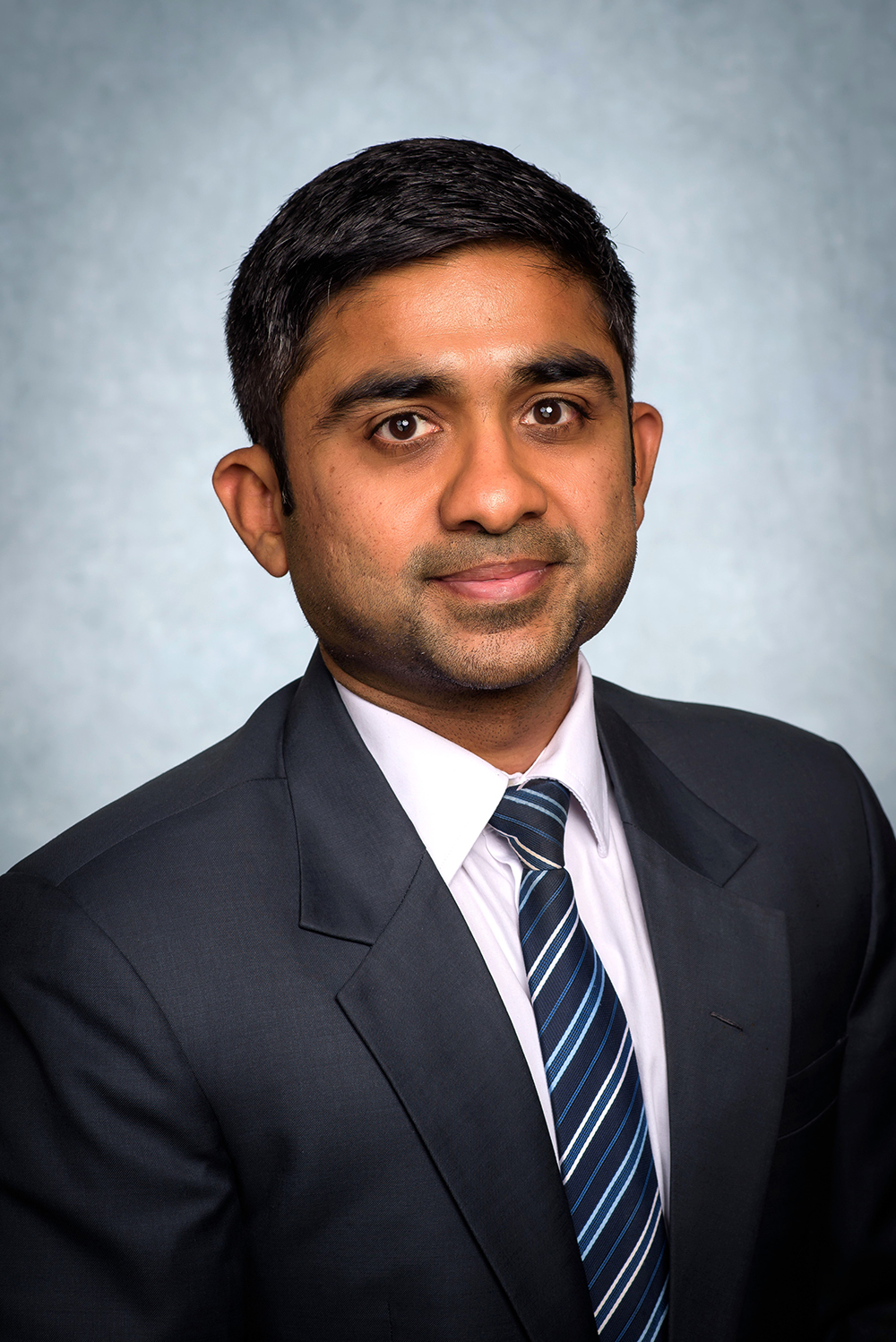
Gaurav Goyal, M.D.
Dr. Goyal is a hematologist-oncologist with a special interest in histiocytic disorders. He completed medical school at Smt. N.H.L. Municipal Medical College in Ahmedabad, India, in 2011, and then moved to the United States for further training. He completed his internal medicine residency at Creighton University Medical Center in Omaha, Nebraska, in 2016, followed by a fellowship in hematology and oncology at the Mayo Clinic in Rochester, Minnesota, in 2019.
During his fellowship, Dr. Goyal developed a deep interest in histiocytosis and went on to establish the first multidisciplinary Histiocytosis Working Group in collaboration with Dr. Ronald Go, dedicated to improving the understanding and care of patients with these rare diseases. This group was later expanded to form the Histio-Care Network, with multi-institution collaborations to advance the practice, education, and research for patients and families affected by histiocytic disorders. His research spans a wide range of topics including the epidemiology, molecular biology, clinical presentation, treatment, and long-term outcomes of histiocytic disorders. He has led the guidelines for the management of Erdheim-Chester disease and Adult Langerhans cell histiocytosis.
After joining the University of Alabama at Birmingham (UAB) in 2019, Dr. Goyal expanded his focus to include cancer survivorship and long-term outcomes. In 2022, he launched the Histiocytic Disorder Follow-Up Study to better understand the long-term health effects in people living with histiocytosis.
Dr. Goyal’s work has been supported by multiple organizations, including the Histiocytosis Association, AIDS Malignancy Consortium, Leukemia & Lymphoma Society, and the American Cancer Society. He leads national and international collaborations and clinical trials, and holds several leadership roles, including serving as chair of the HLH in Adults & Adult LCH Working Groups under the Histiocyte Society.
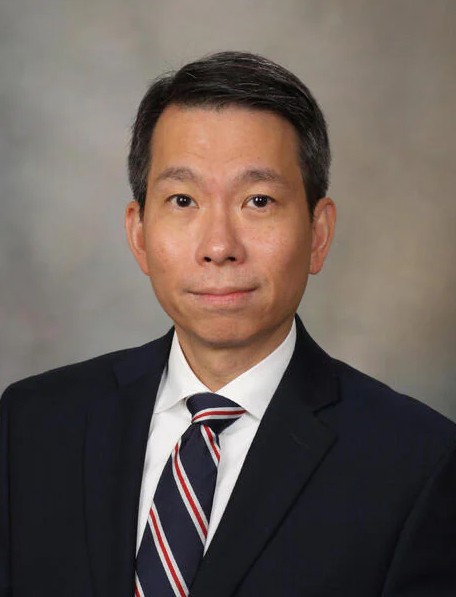
Ronald S. Go, M.D.
Dr. Go was born and raised in the Philippines, where he earned his medical degree from the University of Santo Tomas in Manila. He completed his residency in internal medicine at Baylor College of Medicine in Houston, Texas, followed by a fellowship in hematology-oncology at the Mayo Clinic in Rochester, Minnesota. He practiced as a community hematologist at Gundersen Health System for 13 years before rejoining the staff at Mayo Clinic. Dr. Go currently serves as Chair of Classical (Benign) Hematology in the Division of Hematology at Mayo Clinic Rochester. His clinical and research interests include histiocytic disorders, immunohematology, monoclonal gammopathy of undetermined significance (MGUS), and thrombotic microangiopathy. He is also the inaugural Chair of the National Comprehensive Cancer Network (NCCN) Guidelines Panel for Histiocytic Neoplasms.
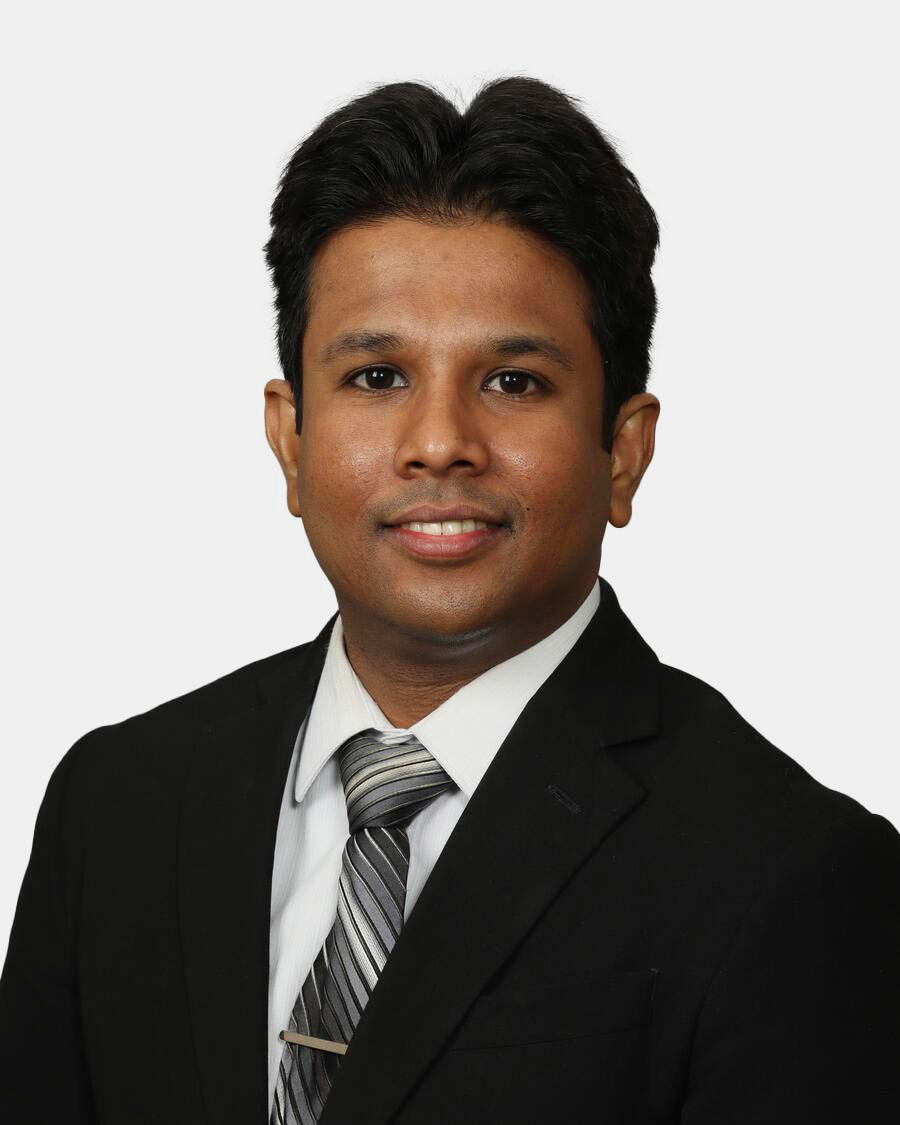
Jithma P. Abeykoon, M.D.
Consultant in the Division of Hematology at Mayo Clinic, MN. My clinical focus includes lymphoma and histiocytic malignancies. As a clinician-investigator, my research encompasses both basic and clinical studies aimed at uncovering new biological pathways and developing innovative treatment strategies for patients with histiocytic neoplasms. I am actively involved in early-phase clinical trials testing novel therapies to improve patient outcomes.
Throughout my career, I have led preclinical research that identified promising drug combinations with antitumor effects across hematologic and solid tumor models, often through mechanisms such as inducing homologous recombination repair deficiency by decreasing RAD51 expression. I have translated these findings into clinical applications by initiating a phase 1 trial at Mayo Clinic for patients with histiocytic malignancies and relapsed lymphoma (NCT04640779). I also serve on the Education Committee of the Histiocytic Society, contributing to educational initiatives for professionals in this field. Additionally, I co-lead the Mayo Clinic Histiocytic Neoplasia Practice and was the first to report a successful treatment of a refractory CNS-involved Erdheim-Chester Disease patient with the CSF1R inhibitor pexidartinib. I am the principal investigator for two upcoming clinical trials: one evaluating a novel CSF1R inhibitor and another investigating ERK inhibition in collaboration with MSKCC, set to open in late 2025. Committed to advancing care for patients with histiocytic malignancies, I am dedicated to driving research and education in this specialized area while delivering compassionate care for patients with histiocytic cancers.
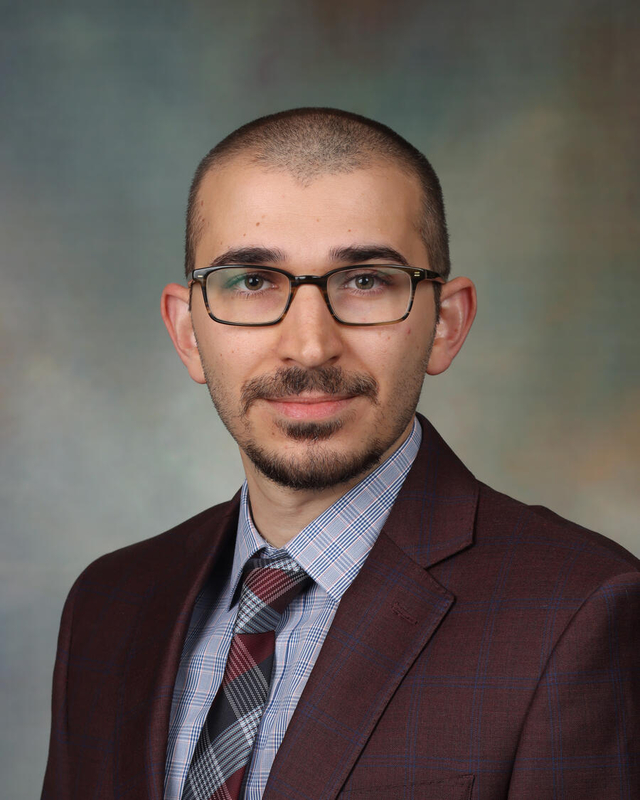
Talal Hilal, M.D.
Dr. Talal Hilal is a hematologist and bone marrow transplant physician at Mayo Clinic in Arizona. He earned his medical degree from the Royal College of Surgeons in Ireland (RCSI) in 2012. After moving to the United States in 2013, he completed residency in Internal Medicine at the University of Kentucky in 2016, and fellowship at Mayo Clinic in Arizona in 2019, serving as Chief Fellow in his final year.
His clinical and research focus is on lymphoproliferative disorders and histiocytic disorders, serving as the primary expert in the management of adults with histiocytic disorders in Arizona. He has been an active member of the Histio-Care Network since joining the faculty at Mayo Clinic in 2023, having collaborated on multiple research projects, and serving as the principal investigator of clinical trials of novel agents for patients with histiocytic disorders in Arizona. He currently serves as Associate Professor of Medicine and Program Director of the Hematology and Medical Oncology Fellowship program at Mayo Clinic in Arizona.
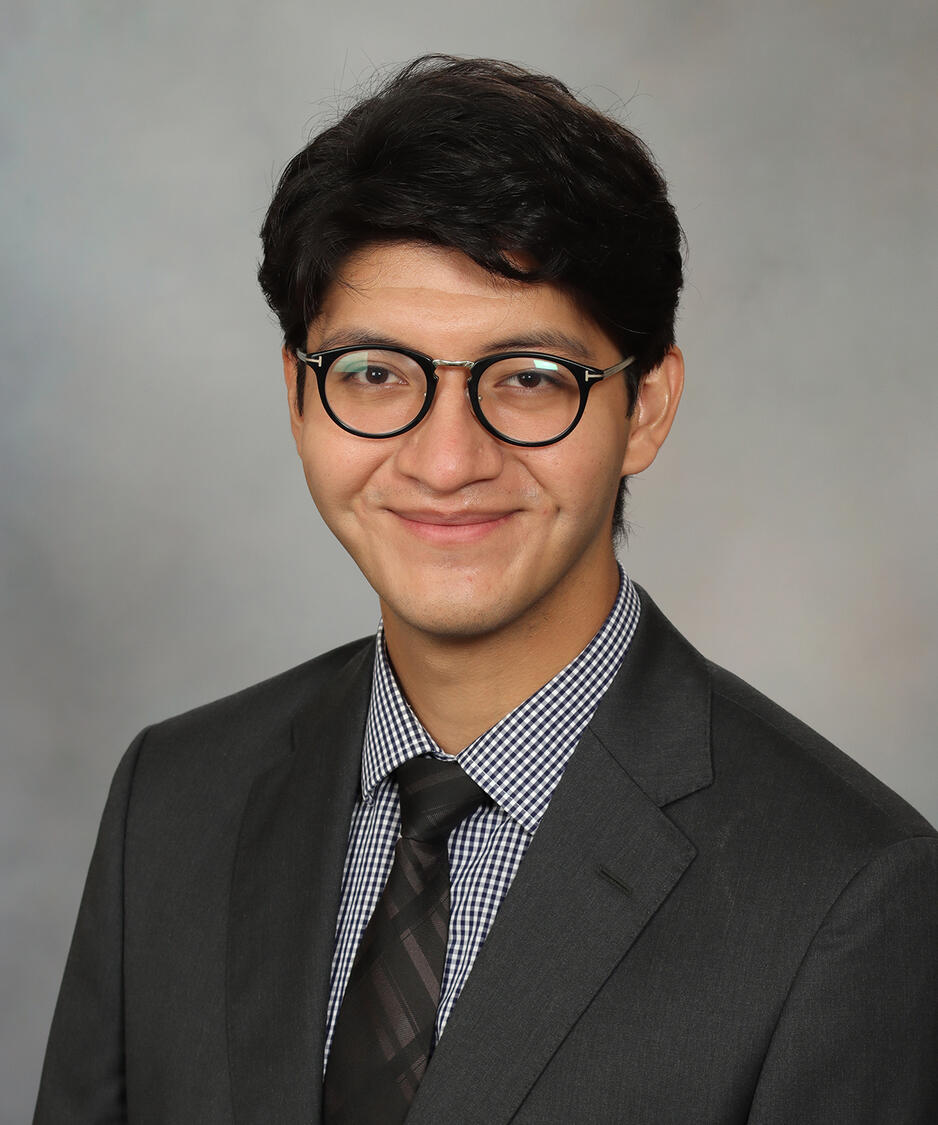
Aldo A. Acosta-Medina, M.D.
Dr. Acosta-Medina is a clinical fellow and current Instructor of Medicine at Mayo Clinic, Rochester with a special interest in histiocytic disorders. He was born and raised in Mexico City where he earned his medical degree from the Universidad Panamericana School of Medicine in 2020. He completed a research fellowship under the mentorship of Dr. Ronald S. Go within the Division of Hematology at Mayo Clinic prior to his transition to the same institution’s Internal Medicine Residency Program (graduating class of ’24) and Hematology-Oncology Fellowship Program (graduating class of ’27).
Throughout his 5 years working under the mentorship and guidance of members of the Histio-Care Network (previously Mayo Clinic – University of Alabama Histiocytosis Working Group), he has led and/or co-authored multiple research collaborations seeking to advance the current gaps in knowledge surrounding the molecular biology, treatment outcomes, and survivorship of patients affected by histiocytic disorders. His clinical and research interests include the overlap of histiocytic disorders with myeloid malignancies, allogeneic bone marrow transplantation, and thrombotic microangiopathies. Dr. Acosta-Medina currently serves as the fellow co-chair for the Histio-Care Network.
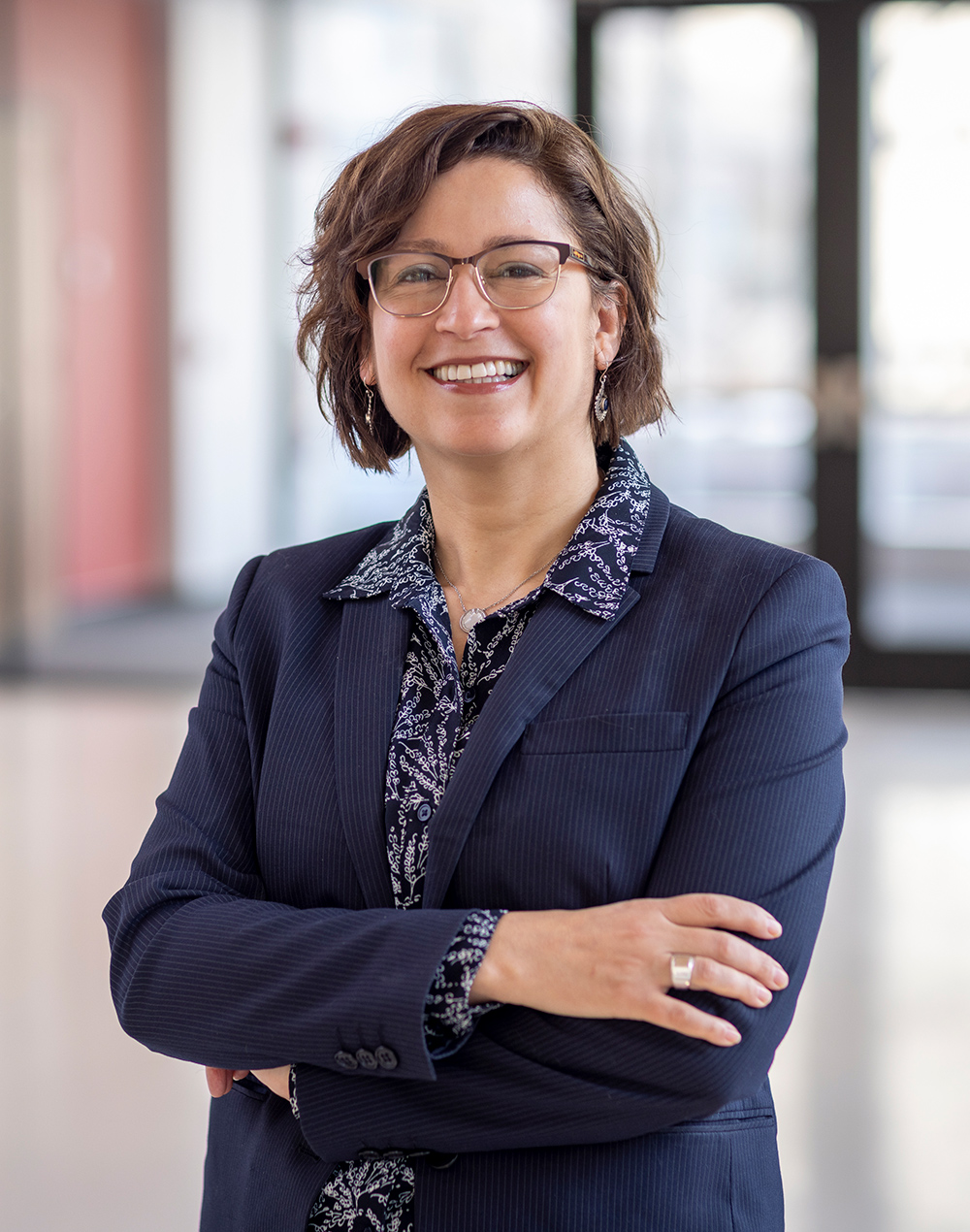
Nora Bennani, M.D.
Dr. Nora Bennani is an Associate Professor of Medicine and faculty member at Mayo Clinic College of Medicine and Science, Rochester, MN. She specializes in lymphomas, with a particular research focus on T-cell lymphomas and Histiocytic Neoplasms. As an NIH-funded clinical investigator, Dr. Bennani is actively involved in advancing immunotherapeutic strategies for Non-Hodgkin lymphomas and Histiocytic Neoplasms, including CAR T-cell therapy and oncolytic virotherapy. She also serves as the Program Director of the Clinical Cell Therapy Fellowship at Mayo Clinic Rochester. Her work has been widely recognized, with multiple peer-reviewed publications and federally funded grants supporting her research. She is also a member of the ECOG-ACRIN Lymphoma Committee and the Immunotherapy Subcommittee and is a member of the Histiocytic Working Group at Mayo Clinic.
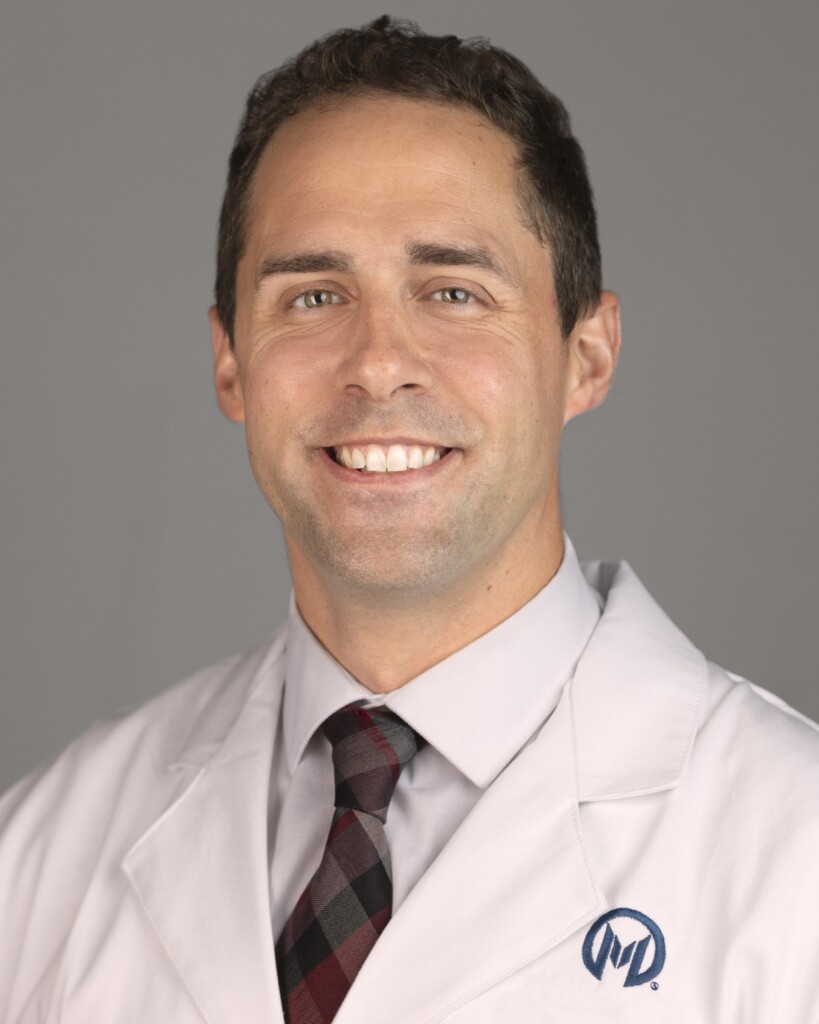
Samuel B. Reynolds, M.D.
Dr. Reynolds is originally from the Boston area and completed medical school at The University of South Florida Morsani College of Medicine. He would then complete an Internal Medicine residency and chief residency at The University of Louisville and a Hematology & Medical Oncology fellowship at The University of Michigan. He began to focus on histiocytic neoplasms in the later part of his training in Ann Arbor. Here, he founded the Michigan Histiocytosis Working Group and has since joined the Histiocytosis Care Network as a researcher and physician.
Throughout his career, Dr. Reynolds has been passionate about the molecular characterization and translational care of hematologic disorders. Under his T32 at The University of Michigan, he would publish several manuscripts pertaining to both outcomes with respect to targeted therapy and trends in peripheral blood monocytosis in histiocytic disorders. He currently serves as an Assistant Professor at the Moffitt Cancer Center and specializes in the research and care of myeloid and histiocytic neoplasms.
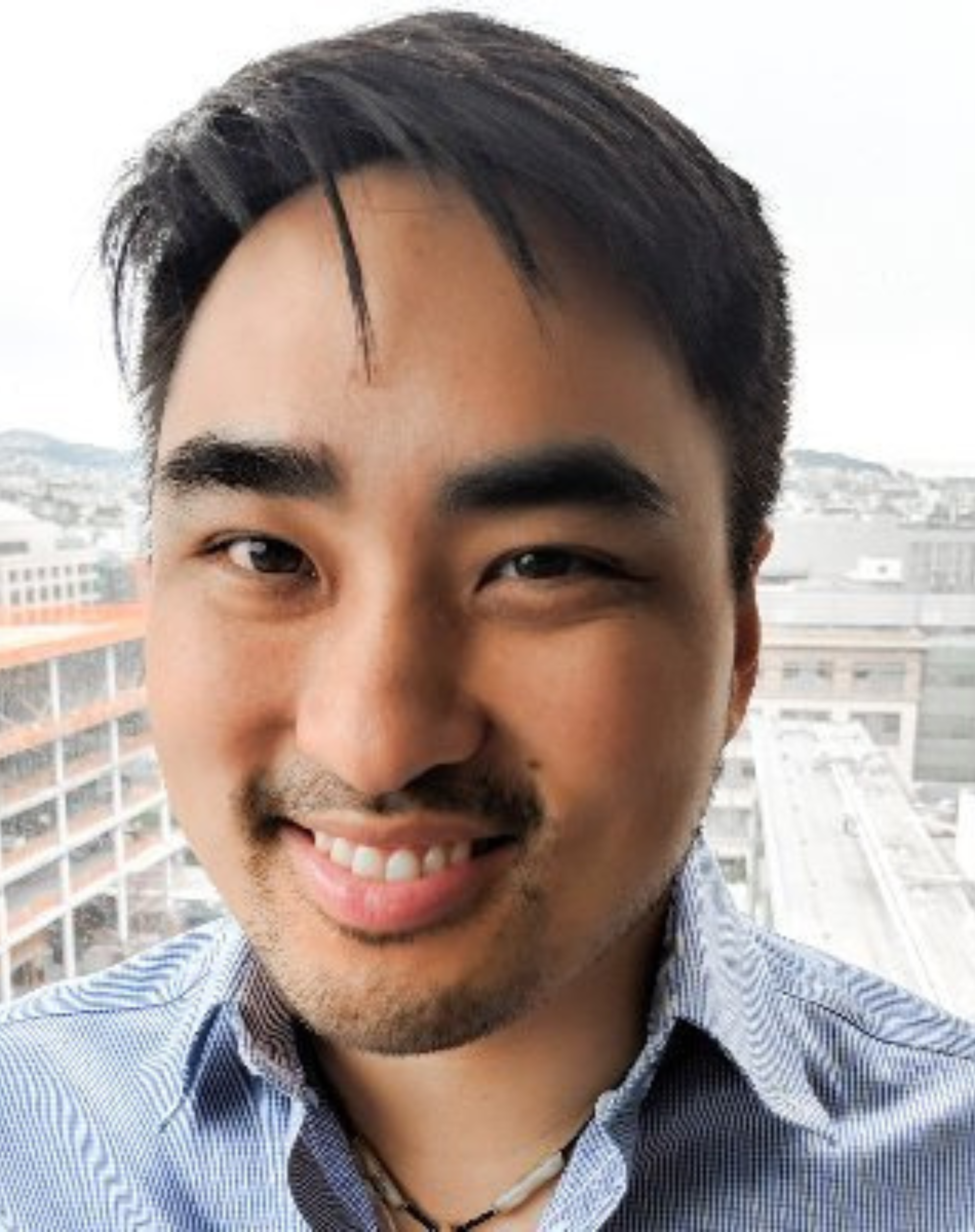
Jerry Lee, M.D.
Dr. Jerry Lee is a hematologist-oncologist at the University of California, San Francisco (UCSF), who specializes in the care of patients with histiocytic disorders, myeloid malignancies, and related hemato-inflammatory syndromes, including patients requiring allogeneic transplantation and cellular therapies. He earned his medical degree at Duke University and completed internal medicine residency and hematology/oncology fellowship training at UCSF. He also holds an M.S. in Biology from Stanford University and an M.Phil. in Epidemiology from the University of Cambridge. He is an Assistant Professor of Clinical Medicine at UCSF.
His clinical and research programs focus on advancing diagnosis, risk stratification, and treatment for myeloid neoplasms, histiocytic/dendritic cell disorders, and hyperinflammatory hematologic conditions, with an emphasis on translating disease biology into prospective clinical trials and multicenter outcomes studies. He serves as a clinical trial investigator for these diseases and collaborates through regional, state, and national consortia, including leadership of histiocytosis-focused efforts within the University of California Hematologic Malignancies Consortium. He joined the Histio-Care Network in 2026 and serves on the NCCN Guidelines Panel for Histiocytic Neoplasms.
Asra Z. Ahmed, M.D.
Dr. Asra Z. Ahmed is a Clinical Associate Professor of Hematology/Oncology at Michigan Medicine. She completed her medical training at the Medical College of Ohio, followed by Internal Medicine residency at St. Joseph Mercy Hospital–Ann Arbor and a Hematology/Oncology fellowship at the University of Michigan.
She specializes in classical hematologic, immunohematologic, and histiocytic disorders and serves as the clinical lead for the Classical Hematology group at Michigan Medicine. Her clinical and research work focuses on improving prognosis and treatment strategies for these conditions, and she actively leads and recruits for related clinical trials. She is also a member of the Histio Care Network's global collaborative efforts.
Dr. Ahmed plays a major role in medical education as co‑director of the Scientific Trunk (the M1 curriculum) and course director for the first‑year Hematology course at the University of Michigan Medical School. She is key clinical faculty for the Hematology/Oncology fellowship program and serves on competency committees for both fellows and medical students. Her educational initiatives emphasize high-quality teaching, active learning, and improving racial diversity and representation in medical curricula.
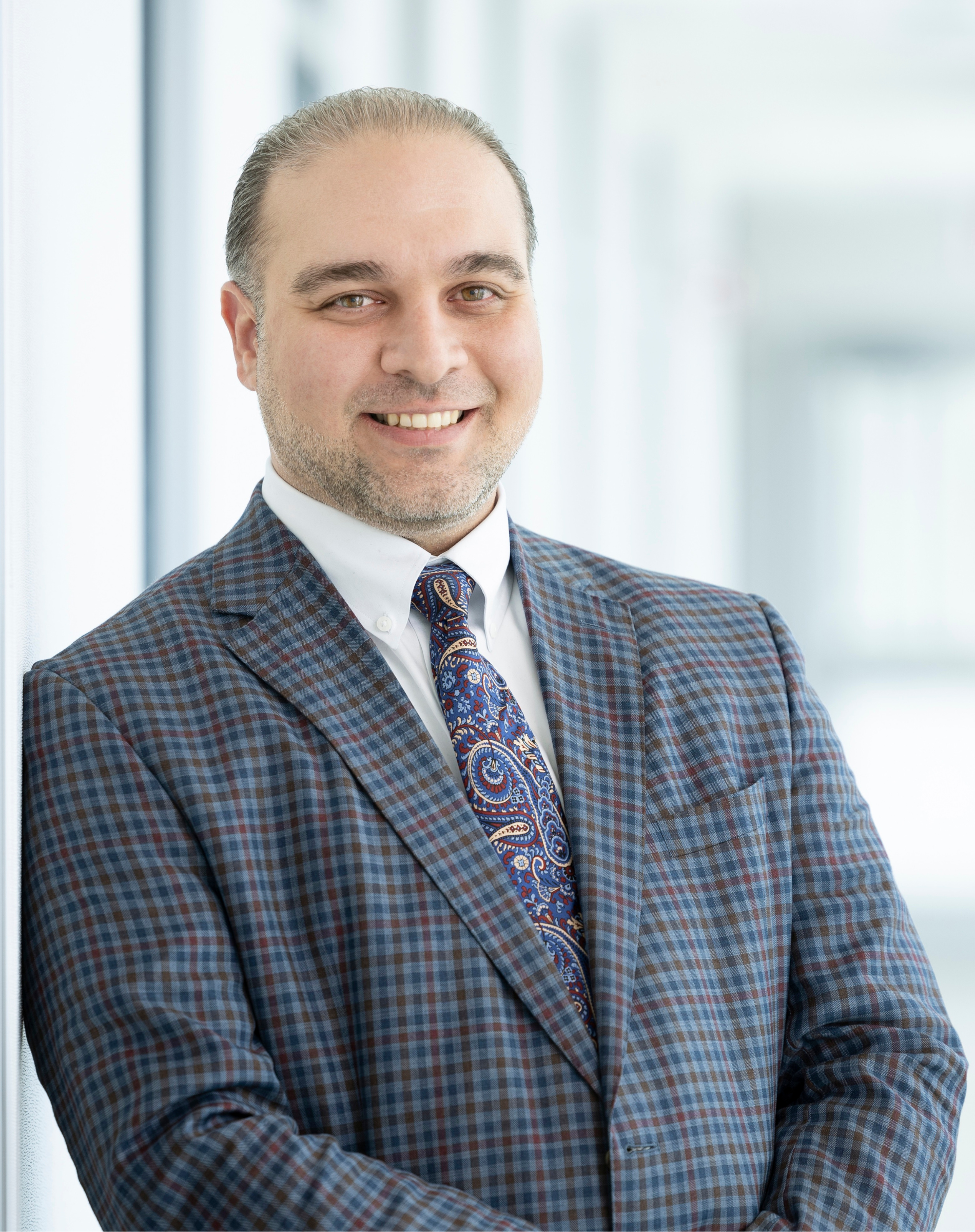
Muhamad Alhaj Moustafa, M.D.
Dr. Muhamad Alhaj Moustafa is a Hematology-Oncology specialist with subspecialty expertise in Lymphoma and Histiocytosis diseases. He completed his medical education at the University of Aleppo, followed by extensive training at the Mayo Clinic, including a master's in clinical and translational research and a fellowship in hematology and medical oncology. He is currently a consultant at the Mayo Clinic in Jacksonville. Dr. Alhaj Moustafa has substantial experience with histiocytic disease and rare subtypes of lymphoma. Dr. Alhaj Moustafa has a special interest in patient and trainee education. He has received numerous honors in patient experience and education.